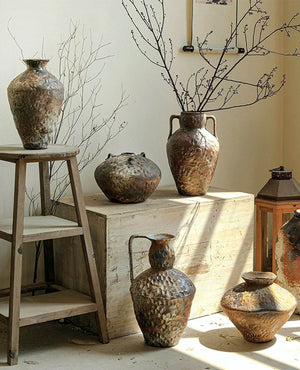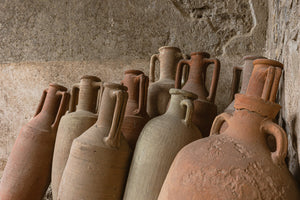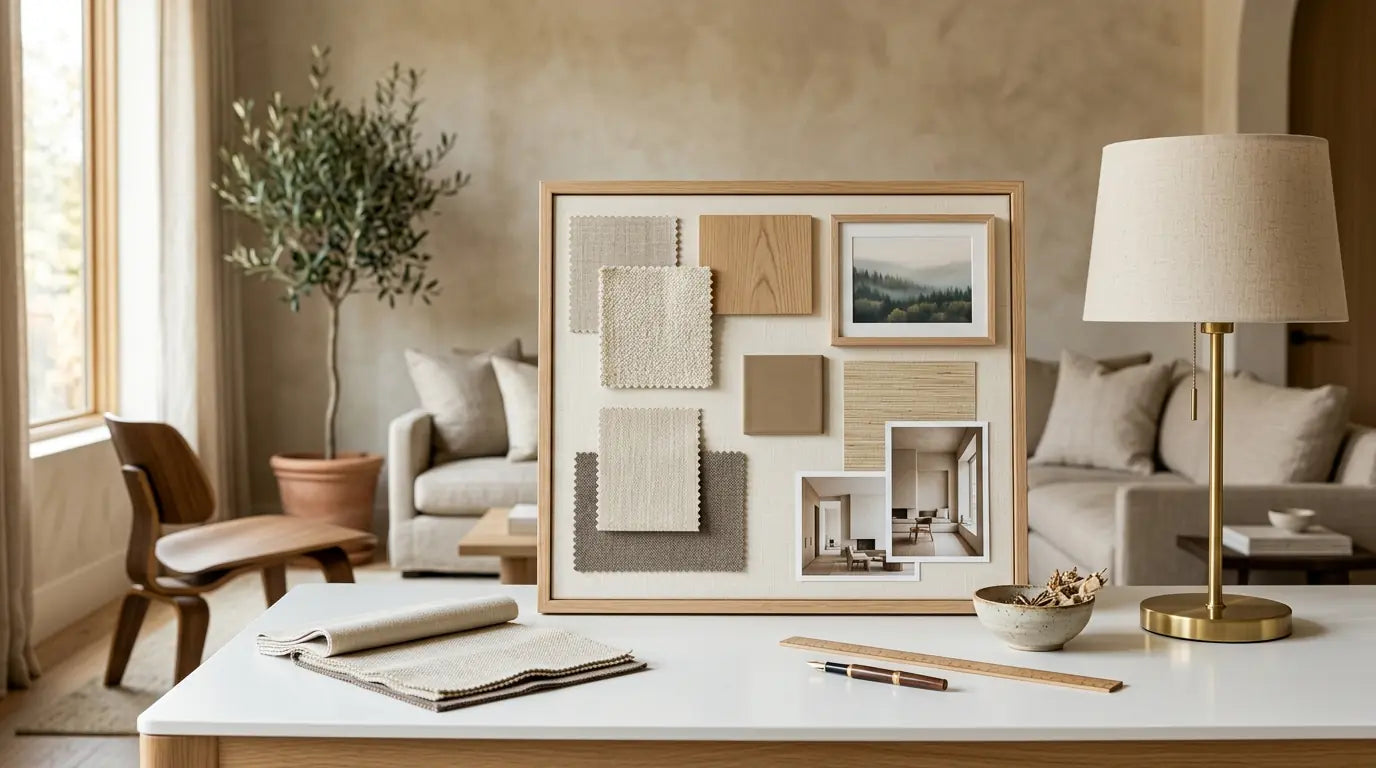
Cart
0
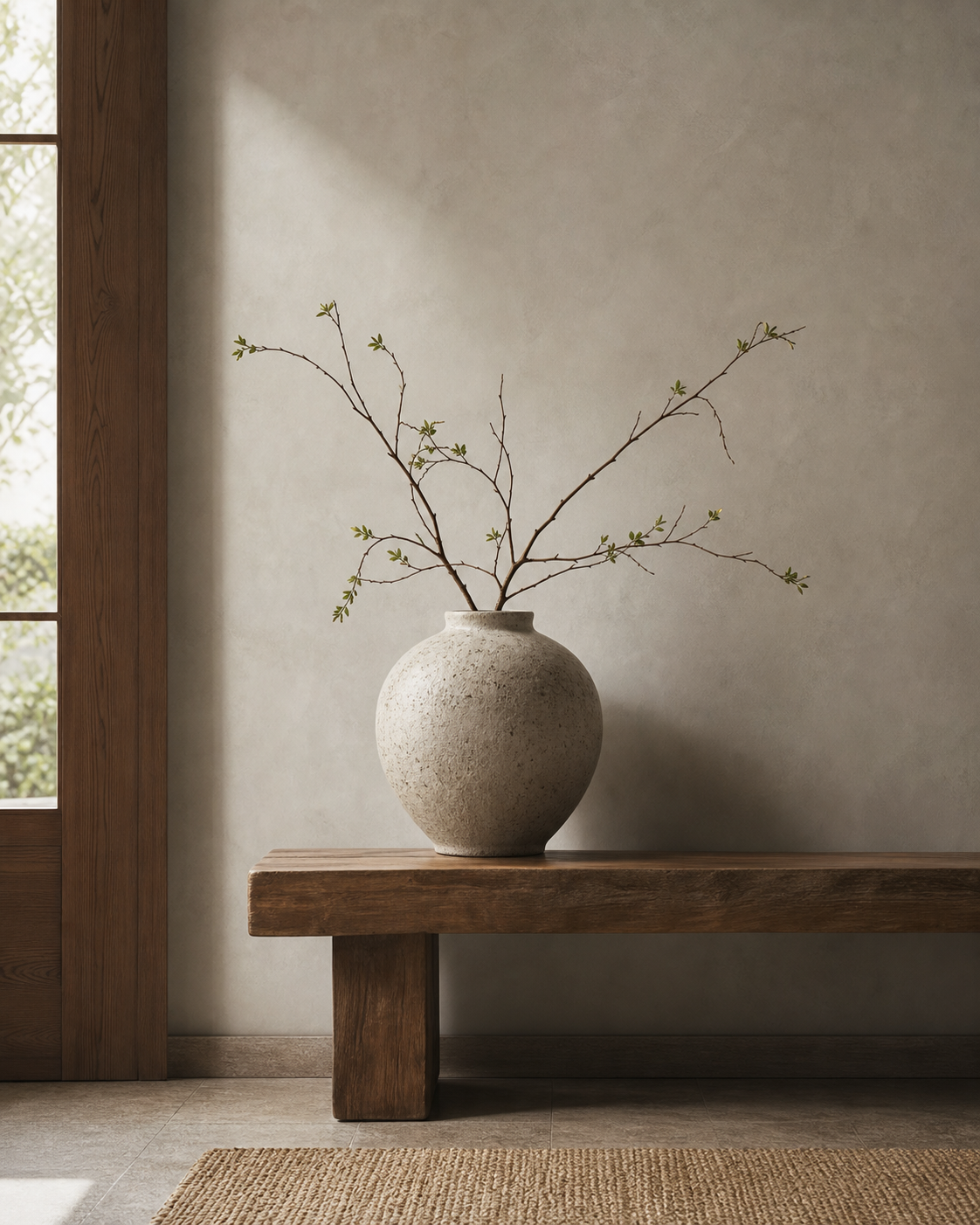
Ceramic Vases for Flowers and Plants: How to Choose the Right Shape
Ceramic vases do more than hold flowers. They shape how an arrangement feels in the room, how much presence it has on a table or shelf, and whether the styling feels calm, sculptural, or busy. The right vase can make a few branches feel intentional. The wrong vase can make even beautiful flowers look unstable or out of place.
If you are choosing a ceramic vase for flowers, greenery, or dried stems, the most useful place to start is shape. Height matters, but shape is what determines how stems spread, how much support they get, and how the piece reads when it is empty. That is especially important in quiet interiors, where the vase often needs to work as decor even before anything is placed inside it.
Why Ceramic Vases Work So Well in Real Rooms
Ceramic has visual weight. It softens flowers and branches with a more grounded, tactile feel than glass, and it fits naturally into interiors built around wood, linen, stone, and woven materials. It can feel rustic, minimal, sculptural, or refined depending on the glaze and silhouette, which is why ceramic vases are so versatile across Japandi, wabi-sabi, and quiet modern interiors.
They also work well when you are styling without fresh flowers. A ceramic vase can hold olive branches, magnolia stems, dried grasses, or nothing at all and still look complete.

Best Shapes for Different Flowers and Plants
Bud vases are best for single stems and small, delicate flowers because they keep the arrangement upright and focused. Cylinder vases suit longer stems and more vertical arrangements. Rounder or bulb-shaped vases support fuller blooms and softer branching arrangements because they give stems room to open gently. Wider, lower vessels work well for looser compositions and sculptural branches that need breathing room.
This is why there is no single best vase for every flower. Tulips, roses, eucalyptus, cherry branches, and dried stems all behave differently. The vase should support the natural movement of the material instead of forcing everything into the same arrangement.

How to Choose the Right Size
A good rule is that the stems should usually be about one and a half to two times the height of the vase, though that changes depending on the look you want. More compact arrangements can sit lower. Branches and sculptural stems can go taller when the vase has enough weight to support them.
Size also depends on placement. A dining table often needs a lower arrangement so sightlines stay open. A console or shelf can take a taller vase because the object is part of the room composition rather than a functional centerpiece.

Styling Ceramic Vases Without Fresh Flowers
One reason ceramic vases are so useful is that they still add shape and texture when empty. On a shelf, a pair of vases in different heights can create balance without needing extra objects. On a dining table, one sculptural vase can anchor the center more quietly than a crowded arrangement. On a bedside table, a smaller vessel can soften the room without taking over.
Browse ceramic vases when you want pieces that work both as functional vessels and as standalone decor.

What Makes a Vase Feel Expensive
The details that matter most are silhouette, finish, and proportion. A matte glaze, uneven hand-shaped edge, softly rounded shoulder, or more sculptural opening can make a simple ceramic vase feel much more elevated. Neutral tones tend to age well because they let the form carry the piece rather than relying only on color.
Expensive-looking styling is usually simpler than people expect. One strong vase shape, one branch or flower type, and enough empty space around it often looks better than a crowded arrangement.

Common Mistakes When Choosing Ceramic Vases
The most common mistake is choosing a vase only by color and ignoring the opening, width, and height. Another mistake is using a vase that is too light for the stems it needs to hold. Rooms also feel cluttered when too many small vessels are grouped without a clear reason or height variation.
If the arrangement never seems to look right, the problem is often the vase shape rather than the flowers.

How to Style Ceramic Vases in an Inner Union Home Look
For an Inner Union Home style room, ceramic vases work best when they repeat the same calm language as the rest of the space. Pair them with natural textiles, paper or linen lighting, warm wood, and a restrained palette. A rounded vase can soften a sharper side table. A taller floor lamp can balance a low vessel on a console. The goal is not to overstyle, but to give the room one or two shapes that quietly echo each other.
Lighting and vases work especially well together because both help define silhouette and mood.

FAQ: Ceramic Vases for Flowers and Plants
Are ceramic vases good for fresh flowers?
Yes. Ceramic vases are excellent for fresh flowers as long as the interior is sealed and the shape supports the stems well.
What vase shape is best for branches?
A heavier vase with a narrower opening or stable rounded body usually works best because it gives branches support without looking top-heavy.
Can ceramic vases be used without flowers?
Absolutely. Ceramic vases often work beautifully as sculptural decor on their own.

Final Thought
The best ceramic vase is the one that supports the flowers, the placement, and the room all at once. When shape, scale, and styling are aligned, the arrangement feels easy and the room feels more complete.