Cart
0

Proportion and Scale in Interior Design: How to Size Furniture Right
Proportion and scale are what keep a room from feeling awkward even when every individual piece looks beautiful on its own. They affect whether a rug anchors the room properly, whether art feels connected to the furniture below it, and whether a lamp or side table looks intentional instead of random. When these relationships are right, a room feels calmer and more expensive without adding more things.
The mistake most people make is focusing only on style. They choose the right sofa shape or the right lamp finish, but they do not think enough about size relationships. That is why a room can still feel off after good money has been spent. Scale is about how large an object feels within the room. Proportion is about how objects relate to one another. You need both.
What Scale and Proportion Actually Mean
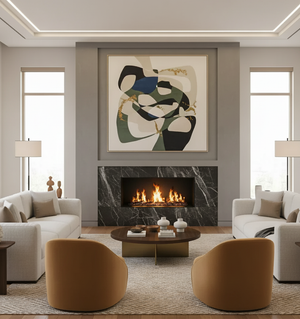
Scale describes how large a piece feels compared with the room around it. A deep sectional can feel comfortable and luxurious in a large open-plan living room, yet overpower a smaller apartment. Proportion is more local. It asks whether a coffee table makes sense with the sofa, whether a pendant is right above the dining table, or whether artwork is large enough to visually belong to the wall and furniture below it.
In practice, rooms look best when size relationships repeat across the whole space. If the sofa is low and broad, the table beside it should support that visual weight. If the room has generous ceiling height, the lighting and drapery should acknowledge it. Good proportion gives the eye a clear logic to follow.
Start with the Biggest Piece First
The easiest way to get proportion right is to begin with the largest piece in the room and size everything else around it. In a living room that is usually the sofa. In a bedroom it is the bed. In a dining room it is the table. Once that anchor is set, secondary pieces should support it instead of competing with it.
This is also where restraint matters. One oversized statement piece can work when the surrounding pieces step back and create breathing room. Problems start when every piece tries to feel large or important at the same time.
Rugs, Tables, and Lighting: The Three Places Rooms Usually Go Wrong
Most scale mistakes show up in these three categories. Rugs are often too small, which makes the furniture feel like it is floating instead of sitting in one connected zone. Coffee tables are often too narrow or too short, which weakens the center of the seating area. Lighting is often undersized, especially in rooms that need a little vertical presence to feel balanced.
A simple rule helps. Rugs should usually extend beneath the front legs of your main seating. Coffee tables should feel substantial enough for the sofa, not like an afterthought. Lamps should relate to the furniture they sit beside and also help fill the room vertically. Rugs, table lamps, and floor lamps are often the fastest fixes when a room feels visually unbalanced.
How to Use Art and Decor Without Making the Room Feel Scattered
Art, mirrors, and accessories should reinforce the scale of the furniture rather than shrink it. A tiny frame above a wide sofa almost always looks accidental. A collection of small objects that are all the same height can also make a room feel flat. What works better is a grouping that has a clear visual center and some variation in height, width, and negative space.
This is why vases, objects, and lighting work so well together. A larger lamp can carry visual weight on one side, while a ceramic vase or sculptural bowl can add a smaller counterpoint nearby. Ceramic vases are especially useful here because they add volume and shape without cluttering the room.
Room-by-Room Proportion Tips
In living rooms, focus on the relationship between sofa, rug, coffee table, and lighting first. In bedrooms, the bed should clearly anchor the room, with nightstands and lamps scaled to its width and height. In dining rooms, pendants should relate to the table shape and size rather than the room alone. In entryways and corners, a single taller piece can help a small area feel purposeful.
The goal is not perfect mathematical symmetry. The goal is visual confidence. Rooms feel more resolved when the major pieces acknowledge one another in size, height, and placement.
Common Mistakes That Make a Room Feel Off
The most common mistakes are undersized rugs, tiny art above large furniture, side tables that are too low to be useful, and lamps that disappear instead of helping the room feel complete. Another mistake is overfilling a small room with bulky furniture because each individual piece looked good in isolation. Rooms also suffer when every accessory is small, because nothing feels anchored.
If a room feels unsettled, the answer is usually not more decor. It is usually one stronger anchor piece, one larger rug, or one better-scaled light source.
How to Apply This in an Inner Union Home Style Room
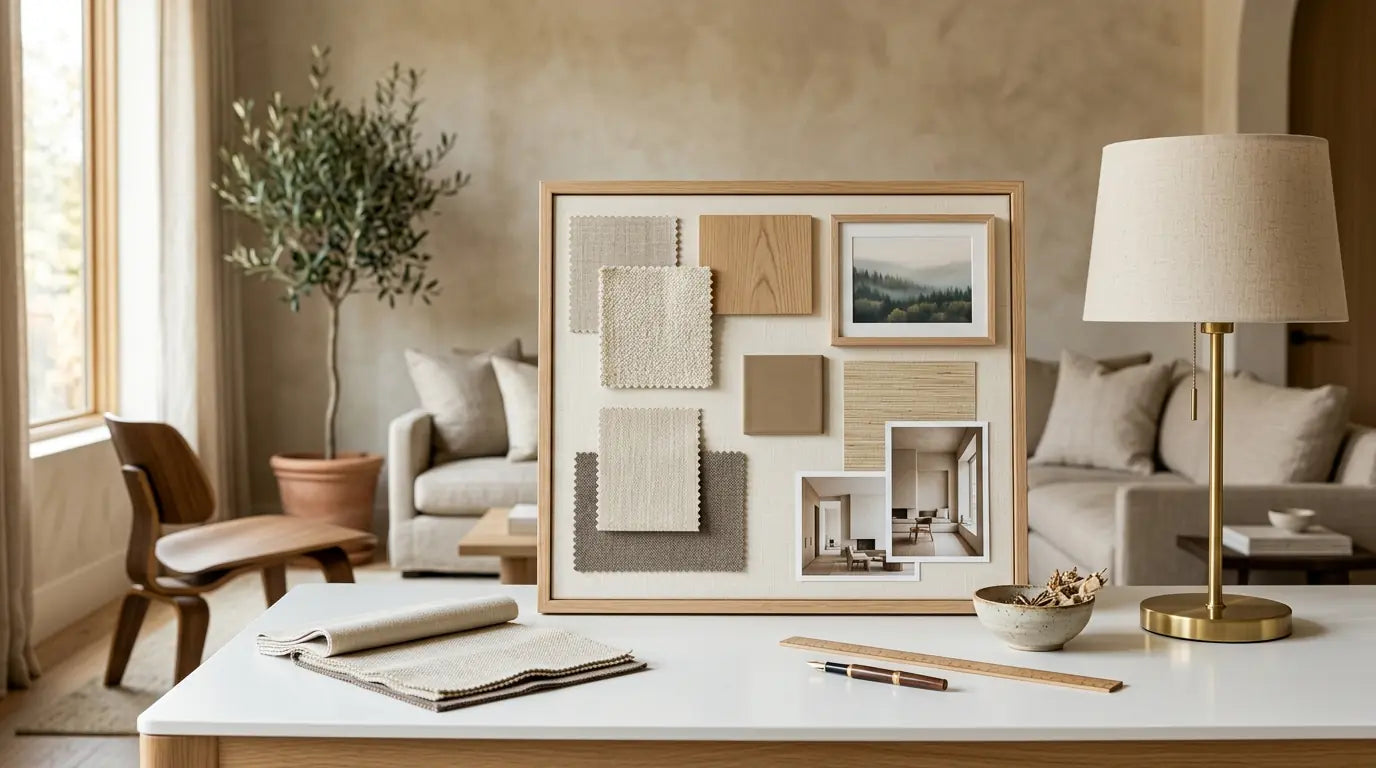
For an Inner Union Home look, good proportion often comes from calm layering rather than dramatic contrast. Use one grounding textile, one sculptural light, and one or two ceramic accents that repeat the room's materials and tones. Let the biggest items create the structure, then let smaller pieces support the mood.
Browse lighting, rugs, and vases when you want to improve scale without redesigning the entire room.
FAQ: Proportion and Scale in Interior Design
What is the difference between proportion and scale in interior design?
Scale compares a piece to the room as a whole. Proportion compares pieces to one another.
What is the most common scale mistake in a living room?
The most common mistake is choosing a rug that is too small for the seating area.
How do you make a room feel more balanced?
Start with the largest piece, then size rugs, tables, lighting, and art so they reinforce that anchor instead of shrinking it.
Final Thought
Rooms feel sophisticated when the size relationships make sense before anything else does. When proportion and scale are working, even simple furniture and quiet decor can feel deliberate, generous, and complete.