Carrito
0

¿Qué es la regla del 70/30 en decoración?


Comprar taburete de madera maciza de olmo
Comprar lámpara de bambú y ratán | Diseño rústico de mediados de siglo
¿Qué es la regla del 70/30 en decoración?
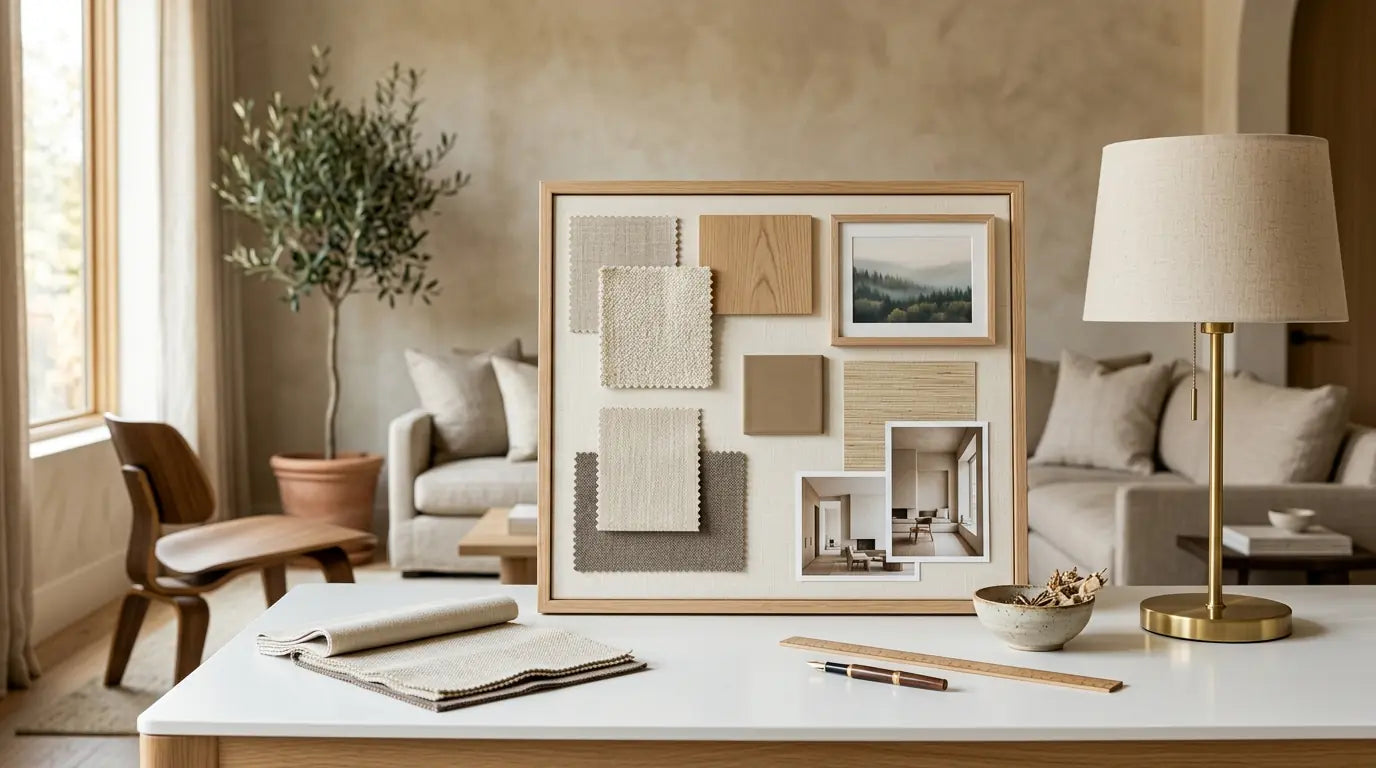
La regla del 70/30 en decoración es una norma de equilibrio. Significa que una idea visual debe hacer la mayor parte del trabajo en una habitación, y la segunda idea debe apoyarla sin competir por el protagonismo. Por lo general, esto se traduce en un setenta por ciento de base calmada y un treinta por ciento de contraste. Setenta por ciento de roble suave, lino, yeso crema y tonos neutros cálidos. Treinta por ciento de madera más oscura, metal ennegrecido, patrones, color o una forma más definida. Los materiales exactos pueden cambiar. El principio, no.
Esta regla es importante porque muchas habitaciones no parecen inacabadas por falta de muebles. Se sienten inquietas porque todo reclama la misma atención. Si cada acabado, color, silueta y acento habla al mismo volumen, la habitación se vuelve visualmente ruidosa, incluso cuando la paleta es tranquila. La regla del 70/30 le da al ojo una jerarquía clara. Un estado de ánimo lidera. El otro añade definición.
Qué significa realmente la regla del 70/30
La forma más sencilla de entender la regla del 70/30 es esta: el 70 por ciento es el lenguaje base de la habitación; el 30 por ciento es la tensión, el contraste y el carácter de la habitación. El setenta es lo que hace que la habitación se sienta coherente. Es el campo más amplio que el ojo lee primero. El suelo, el sofá, la alfombra, las cortinas, el tono de la pared, los muebles más grandes o la familia de materiales dominante. Aquí es de donde proviene la calma.
El treinta es lo que evita que la calma se vuelva vacía. Podría ser un tono de madera más oscuro, una silueta de lámpara más fuerte, algunos acentos negros, una raya, una silla escultórica o un material más ajustado con más carácter. No está ahí para luchar contra la habitación. Está ahí para definirla. Por eso la regla funciona tan bien en interiores que se sienten tranquilos pero no aburridos. La habitación se mantiene principalmente en un idioma, pero aun así tiene una opinión.

Comprar taburete de madera maciza de olmo
Comprar lámpara de techo de loneta blanca y negra
Por qué las habitaciones se sienten mejor con una idea dominante
Al ojo le gusta entender qué dice la habitación antes de empezar a notar los detalles. Cuando una habitación tiene un material dominante o un estado de ánimo dominante, todo lo demás es más fácil de colocar. Una habitación de roble claro puede soportar un momento de bronce ahumado. Una habitación cargada de lino puede soportar una nota de cuero más oscuro. Una paleta de crema y arena puede contener una base de lámpara de metal ennegrecido. El contraste se lee claramente porque la habitación ya sabe lo que es. Sin esa jerarquía, las habitaciones a menudo se vuelven indecisas. Demasiadas notas medias. Demasiados casi-acentos. Demasiadas piezas que no son lo suficientemente silenciosas como para desaparecer ni lo suficientemente fuertes como para definir el espacio. La regla del 70/30 ayuda porque obliga a la habitación a elegir primero su voz principal.
Empieza con el 70
La mayoría de las personas decoran instintivamente desde el acento hacia adentro. Compran la pieza llamativa y luego intentan construir la habitación alrededor de ella después del hecho. Por lo general, el camino más tranquilo es el opuesto. Comience decidiendo cómo debería sentirse la mayor parte de la habitación. Suave o nítida. Mate o reflectante. Pálida o terrenal. Liderada por el lino o por la madera. Orgánica o a medida. Esa decisión se convierte en el setenta. Por ejemplo, si la habitación está destinada a sentirse cálida y transpirable, el setenta podría ser tapicería crema, lino lavado, roble cálido, fibra tejida, cerámica hecha a mano y paredes de yeso. Si la habitación está destinada a sentirse más temperamental y arquitectónica, el setenta podría ser nogal, neutros más profundos, piedra y tapicería más silenciosa con menos patrones. El punto es definir primero el campo.

Comprar taburete de madera maciza de olmo
Comprar lámpara de bambú y ratán | Diseño rústico de mediados de siglo
Luego usa el 30 para añadir definición
Una vez que la base está clara, el treinta puede hacer su trabajo real. El treinta no debe ser aleatorio. Debe responder al setenta. Si la habitación es suave, el treinta puede añadir estructura. Si la habitación es pálida, el treinta puede añadir peso. Si la habitación es muy mate, el treinta puede introducir un acabado más tenso. Si la habitación es textural pero tonalmente silenciosa, el treinta puede provenir de un contraste más oscuro en lugar de más color. Aquí es donde una habitación gana su carácter. En la práctica, el treinta podría ser: una mesa de centro de madera oscura en una habitación mayormente pálida, iluminación de metal ennegrecido en una paleta cargada de lino, un acento color óxido o tabaco en una habitación por lo demás neutra, un textil a rayas entre telas mayormente sólidas, una forma escultórica contra formas más suaves. El treinta por ciento es a menudo menos de lo que la gente piensa. Solo necesita registrarse, no dominar.
Don de mejor funciona la regla
La regla del 70/30 es especialmente útil cuando una habitación se siente casi terminada pero todavía un poco vaga. Salas de estar: aquí es donde la regla es más fácil de ver. El sofá, la alfombra, las cortinas y las piezas de madera más grandes suelen formar el setenta. La bandeja de centro, las bases de las lámparas, la silla de acento más pequeña y los detalles de la mesa a menudo forman el treinta.
Dormitorios: la ropa de cama, el tono de la pared y la tela de las cortinas pueden llevar el setenta. La forma del cabecero, la iluminación, un banco más oscuro o una nota textil más fuerte pueden llevar el treinta.
Estanterías y consolas: incluso una superficie estilizada puede seguir la regla. La mayoría de los objetos pueden permanecer en una familia, con un porcentaje menor introduciendo la nota de contraste. Espacios de concepto abierto: esta regla ayuda a que las habitaciones más grandes se mantengan unidas porque evita que cada rincón se convierta en su propio estado de ánimo separado.
Qué cuenta como 30
El treinta por ciento no tiene que significar solo color. Puede ser contraste de material. Contraste de forma. Contraste de tono. Contraste de acabado. Contraste de peso. Una habitación puede ser noventa por ciento neutra en color y aun así sentirse equilibrada si el treinta por ciento restante proviene de la silueta y el material. Es por eso que una habitación neutra cálida puede cobrar vida con solo una madera más oscura, una línea negra o una nota de cuero. La gente a menudo piensa que necesita acentos más brillantes cuando lo que realmente necesita es un contraste más claro.

Comprar taburete de madera geométrico moderno
Qué eliminar cuando la habitación todavía se siente "fuera de lugar"
Si pruebas la regla del 70/30 y la habitación todavía se siente sin resolver, el problema suele ser una de estas tres cosas. Primero, el setenta puede no ser realmente dominante. Si hay demasiadas familias de materiales en competencia, la habitación nunca se asienta en un lenguaje base. Segundo, el treinta puede ser demasiado débil. Si cada acento está a medio paso de la base, el contraste nunca se registra realmente. Tercero, el treinta puede estar disperso. Una nota oscura en cada esquina puede hacer que la habitación se sienta salpicada en lugar de compuesta. Por lo general, funciona mejor cuando el contraste se repite con intención en lugar de aparecer como interrupciones aisladas. La solución suele ser la sustracción antes que la adición. Elimine el acento que no respalda la idea principal. Luego, fortalezca la nota de contraste que realmente lo hace.
La perspectiva de Inner Union
No creemos que las habitaciones hermosas se construyan a partir de partes iguales de todo. Las habitaciones que se sienten más estables suelen tener una mayoría clara y un contrapunto reflexivo. Eso es lo que protege la regla del 70/30. Evita que la habitación se vuelva demasiado plana o demasiado explicada. Si solo recuerdas una cosa, recuerda esto: no le pidas a cada pieza que sea especial de la misma manera. Deja que la mayor parte de la habitación cree la atmósfera. Deja que el porcentaje más pequeño cree el carácter. Esa es a menudo la diferencia entre una habitación que parece decorada y una que se siente resuelta.
¿Listo para transformar tu espacio?
Explora nuestra colección completa de decoración para el hogar curada y encuentra las piezas perfectas para tu tablero de inspiración.