Cart
0
You may also like

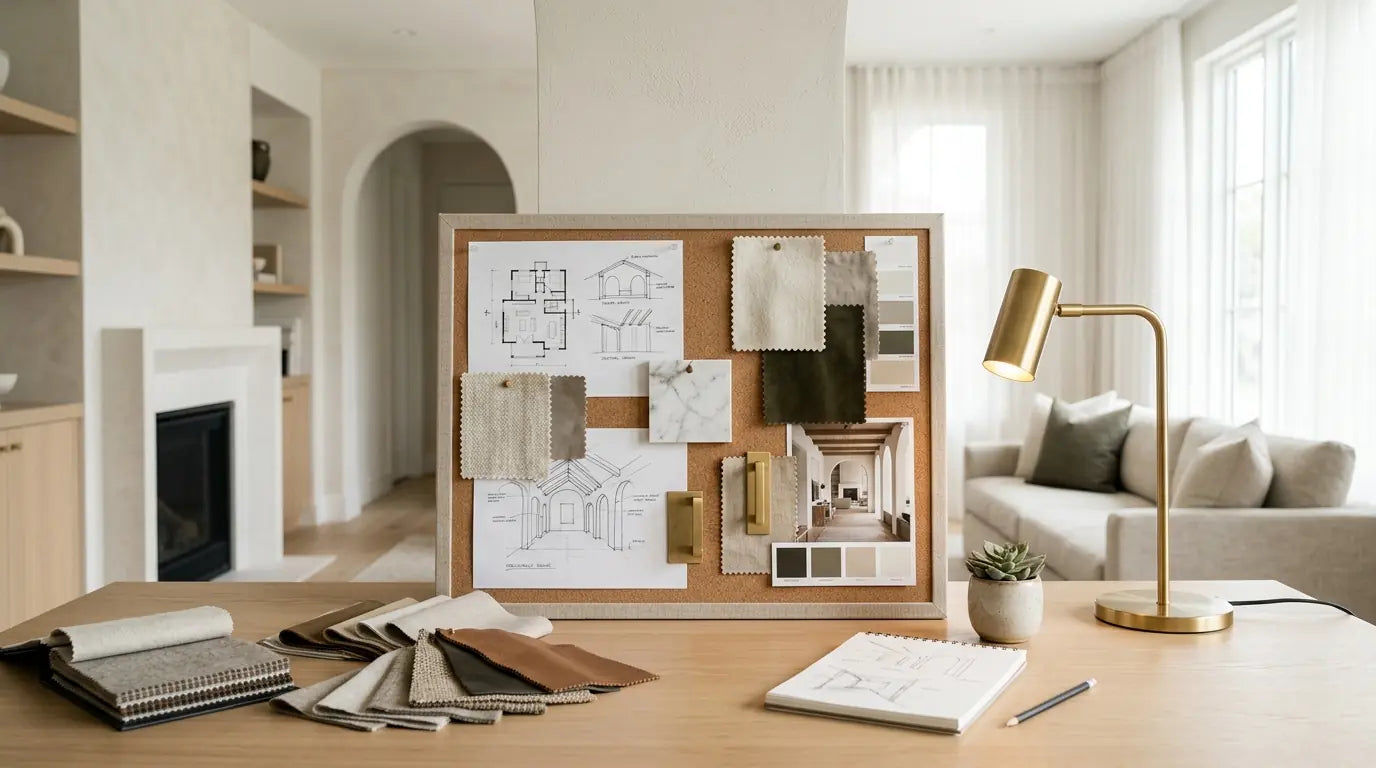


You have gathered tons of images of your dream home. You know exactly the vibe you want, and you have chosen the decor pieces to achieve it. But when you put it in place, it feels like a basic box filled with expensive things. This is a common frustration: we attempt to solve functional problems with decorative solutions. No amount of decor can fix poor architecture. If you want a breathtaking, calming, and intentional home, you must start with the "bones" of the house.

Interior design is intimately bound to the architecture. The bones are the structural framework that defines the room, including the style and height of baseboards, the width of window casings, wood species on ceilings or floors, the profile of cabinetry, and the flow of natural light. Every decision should highlight and elevate these structures, drawing the eye through form and attention to detail.

When your home lacks character, adding architectural details like crown moldings, ceiling treatments, or board-and-batten is the first step to an elevated look. However, the architecture first rule also involves subtraction. Sometimes, the best design comes from removing unnecessary walls or outdated flourishes. In contemporary homes, omitting window casings or using hardware-free slab cabinet doors can create a sleek, breathable space.

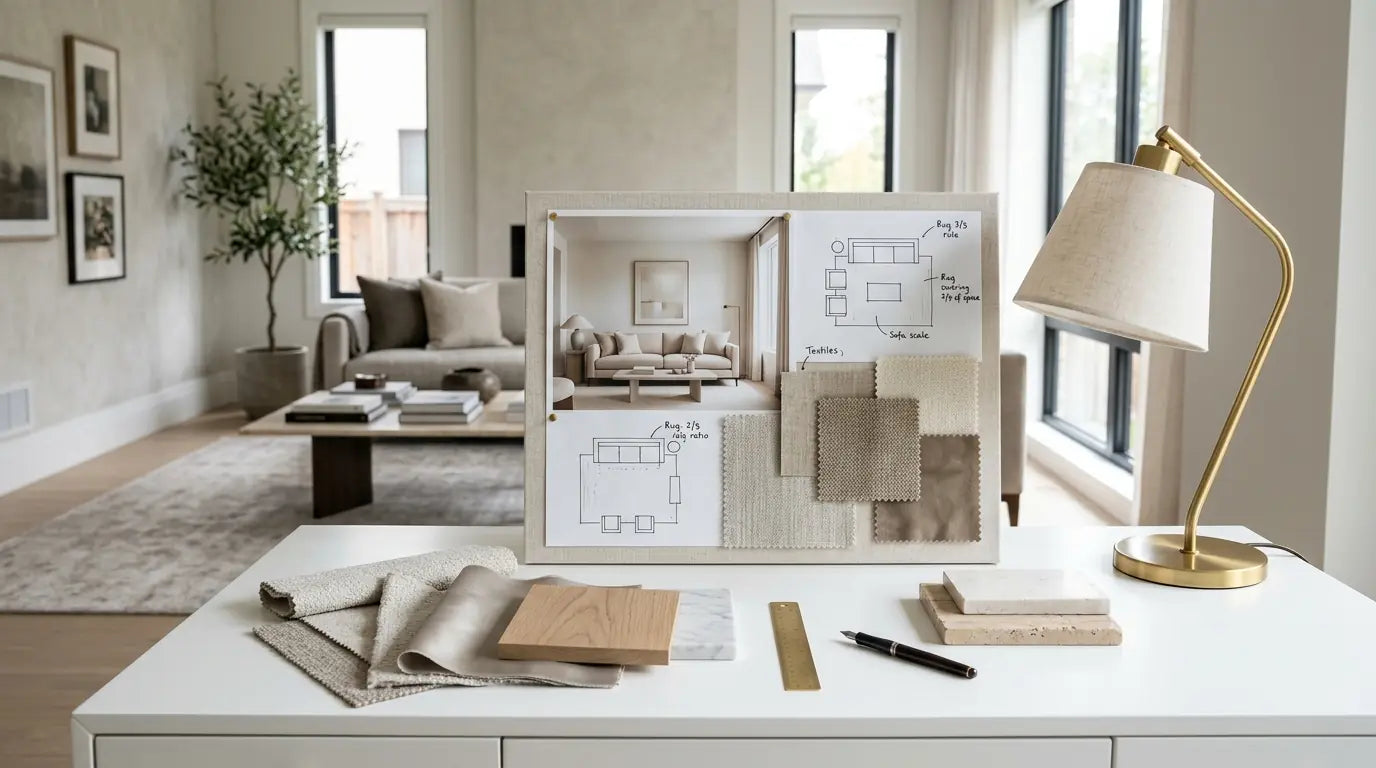
Do not buy anything or pick a paint color until you go through these steps: 1. Use Scaled Drawings to communicate how ideas fit into reality. 2. Map the Function by considering how every corner will be used and how sunlight interacts with your daily routine. 3. Master the Flow by considering sight lines and ensuring window placement doesn't force furniture into awkward corners.

When architecture is cohesively considered, the interior design becomes effortless. Hard materials like rough-sawn oak beams on a vaulted ceiling provide enough character that the room does not require loud, chaotic decor. The architecture provides the substance, allowing your furniture to act as the supporting cast.
Explore our full collection of curated home decor and find the perfect pieces for your mood board.