Cart
0
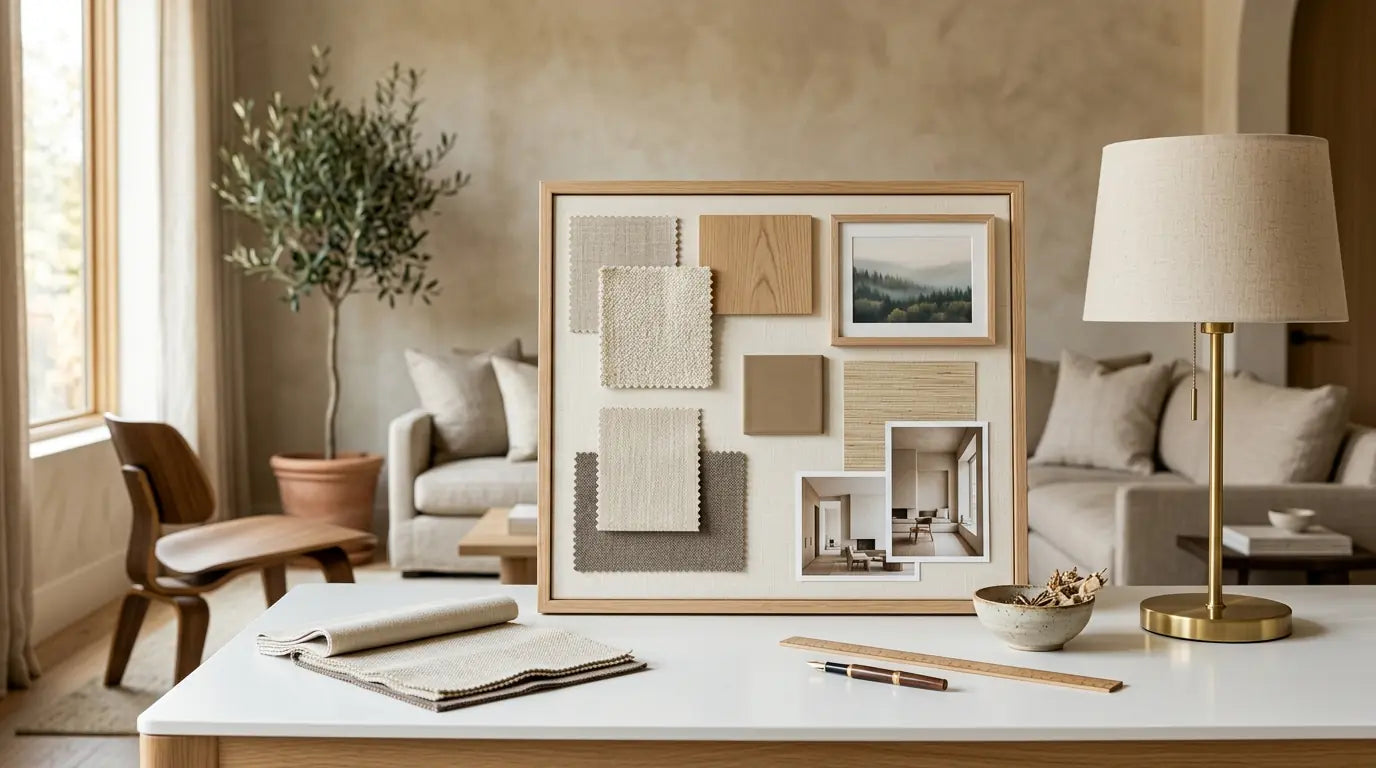
The realization of a sophisticated interior environment is not merely a product of architectural layout or the procurement of large-scale furnishings; it is determined by the orchestration of the final, semantic layer of design. This "finishing touch" serves as the connective tissue that bridges the gap between a structurally sound space and a resolved, lived environment. In the contemporary design discourse, the power of details—specifically the interplay of texture, lighting, and curated accents—is recognized as the primary mechanism for communicating stylistic identity and emotional resonance. A room that lacks these microscopic layers often feels sterile, unfinished, or "flat," regardless of its structural integrity. The following report provides an exhaustive examination of the technical and aesthetic principles governing these finishing touches, synthesizing current research and emerging forecasts for 2025-2026.
The Tri-Planar System of Illumination: Layering and Spatial Hierarchy

Lighting is no longer viewed as a singular functional necessity but as a foundational design element that shapes the perception of volume and mood. The most prevalent error in residential design is the reliance on a single overhead light source, which produces harsh, one-dimensional shadows and flattens the architectural relief. Professional designers instead employ a "three-layer lighting rule," which integrates ambient, task, and accent lighting to achieve a balanced and adaptable environment.
Ambient Lighting: The Foundational Wash

Ambient lighting, or general illumination, serves as the primary base layer of a room, ensuring safe navigation and establishing the baseline atmospheric tone. In technical terms, designers often calculate the required ambient brightness by aiming for approximately 20 lumens per square foot. For a standard living space of 250 square feet, the formula is expressed as: L_total = 250 sq ft × 20 lumens/sq ft = 5,000 lumens. This total is typically achieved through a combination of sources rather than a single fixture. Common ambient fixtures include recessed ceiling grids, flush-mounts for lower ceilings, and oversized chandeliers that define the scale of larger volumes. The use of dimmers is considered essential for ambient lighting, as it allows the foundation to adapt to different times of day and psychological needs.
Task Lighting: Focused Functionality

The second layer, task lighting, provides direct, high-intensity illumination for specific physiological activities such as reading, culinary prep, or grooming. Effective task lighting must be 2-3 times brighter than the surrounding ambient light to prevent eye strain and enhance visual acuity. Positioning is critical; for instance, in bathroom environments, placing sconces on either side of a mirror at eye level eliminates the shadows cast by overhead lighting, which is a prerequisite for accurate grooming. In kitchen environments, under-cabinet LED strips illuminate work surfaces that would otherwise be obscured by the user's shadow.
Accent Lighting: Drama and Depth

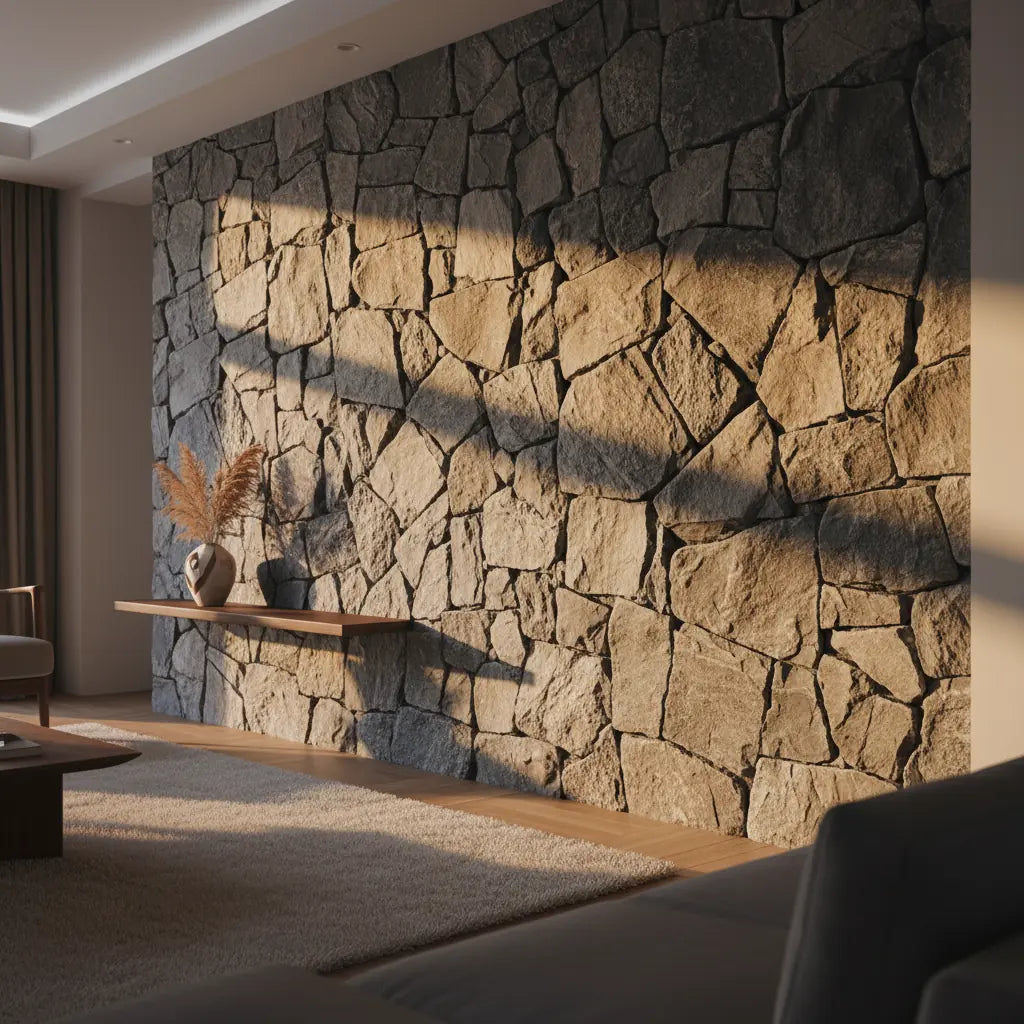
The final layer, accent lighting, is purely aesthetic, designed to highlight architectural features, artwork, or high-value materials. It is the "jewelry" of the lighting scheme, often requiring a light source that is three times brighter than the ambient base to create sufficient contrast. Techniques such as "grazing" involve placing lights extremely close to a textured surface, such as a stone wall, to emphasize its natural contours and shadows.
The Physics of Texture: Material Stratification and Light Interaction

Texture is the tactile and visual quality that gives a room its perceived depth and tangibility. Layering textures involves the strategic combination of different materials—smooth, rough, matte, and glossy—to prevent a space from feeling flat and monotonous.
Material Reflectance and the BRDF Model

The way humans perceive texture is fundamentally a study of light behavior. The "Bidirectional Reflectance Distribution Function" (BRDF) describes how light is reflected from a surface relative to its angle of incidence. Matte Surfaces: Materials like linen, unpolished stone, and matte paint absorb light, providing a subtle, diffused aesthetic that promotes calm. Glossy Surfaces: Metals, polished marble, and glass reflect light sharply, introducing energy, dynamism, and "sparkle" into a design. Rough Textures: Heavy weaves like boucle, reclaimed wood, and Venetian plaster create intense micro-shadows that add visual weight and warmth.
The Technical Interplay of Light Angles

Research indicates that the angle of light significantly influences "texture legibility". Steeper angles (approaching 90 degrees) enhance surface relief, making textural details more pronounced through sharp contrast. Conversely, shallower angles (30 degrees) reduce material definition but increase the perceived softness and visual comfort of the surface. This is why professional stylists use "wall grazing" with narrow-beam spotlights to dramatize a textured feature wall.
Hierarchical Textural Layering

Successful designers build texture from the ground up, starting with the floor and moving to the walls and ceiling. Rugs serve as the primary textural anchor; layering a plush or patterned rug over a flat-weave natural fiber base (like jute or sisal) is a classic technique to add depth and define functional zones in open-plan architecture. This progression continues with upholstery—for instance, pairing a smooth leather chair with a chunky knit throw—creating a sensory narrative that invites touch.
Semantic Detailing: Communicating Style through Micro-Decisions
Details are the most potent tools for communicating a specific design style. While the structural envelope might remain the same, the choice of hardware, window treatments, and accessories acts as the "stylistic signature" of the room.
Minimalism: Precision and Purpose

In minimalist design, details are not decorative additions but essential refinements. The style focuses on "purposeful simplicity," where every piece must justify its presence through either function or exceptional form. Texture: Subtle tonal shifts and varied fabrics (linen vs. wool) prevent the neutral palette from appearing sterile. Hardware: Integrated or flush-pull designs that disappear into the cabinetry. Light: Large windows, minimal treatments, and "invisible" light sources that emphasize architectural flow.
Industrialism: The Raw and Unrefined

Industrial design celebrates the architectural "guts" of a building, turning structural elements into finishing touches. Materials: Exposed brick, concrete floors, and visible pipes are the defining textures. Accents: Reclaimed wood, metal stools, and factory-inspired "Edison" bulb fixtures. Contrast: Soft leather upholstery or vintage rugs are used to "soften the edge" of the harder structural materials.
Maximalism: Curated Abundance

Maximalism is a rebuttal to the "less is more" mantra, focusing instead on self-expression and the curation of treasures. Patterns: Layering different scales of patterns (e.g., a large geometric rug with small floral pillows) unified by a common color theme. Lighting: Statement chandeliers and ornate lamps that act as sculptural art pieces even when unlit.
The 2025 Hybrid: Minimalist Maximalism
A key trend emerging for 2025 is "Minimalist Maximalism," which balances the calm palette of minimalism with the bold forms of maximalism. This look is achieved through "Quiet Colors, Loud Shapes"—for example, using a massive, sculptural coffee table in a soft beige tone, or an oversized abstract art piece in a muted monochrome palette.
Hardware and Finishes: The Architectural Jewelry of 2026
Hardware is often dismissed as an afterthought, yet it serves as one of the most critical design anchors in a room. Trends for 2025-2026 indicate a significant shift away from "showroom perfect" surfaces toward materials that prioritize warmth and tactility.
The Mixed Metals Movement
The historical design faux-pas of mixing metal finishes has been discarded in favor of a layered, eclectic look. Successful mixed-metal schemes typically follow a 60/40 or 70/30 ratio, where a primary metal (like matte black) is complemented by secondary accents (like brass or chrome). Cool vs. Warm: Pairing cool chrome with warm brass creates visual interest without overwhelming the room. Contemporary Chrome: After years of brass dominance, chrome is seeing a major resurgence due to the revival of mid-century Italian furniture.
Tactile Hardware and Living Finishes
Forecasts for 2026 highlight a return to "artistry in the everyday". Material Pairings: Hardware is increasingly featuring organic materials such as leather-wrapped handles, wood-inlay knobs, and stone-capped pulls. Craftsmanship Details: Knurling (cross-hatched patterns), fluting (vertical grooves), and hammered finishes add a dimension that invites the hand to engage with the piece. Living Bronze: Designers are favoring unlacquered bronze that develops a unique patina over time, telling a story of use and interaction.
The Final Layer: Curated Accessories and Finishing Touches

The "resolving" elements of a room are the small-scale additions that make a space feel lived-in and complete. These items transition an interior from a "styled" space to a "home."
Window Treatments: The Essential Frame

Designers consistently rank window treatments as the single most important element for completing a room. Beyond light control, curtains and shades provide a vertical layer of texture that frames the view and adds a polished finish to the architectural envelope. Curtains that reach the floor are particularly effective at softening echoes and improving room acoustics.
The Philosophy of "Styling Pockets"

In larger renovations, the concept of "styling pockets" allows for the creation of intentional, complete zones within a partially finished space. Instead of attempting to style the entire room at once, a designer might focus on a single console table, a bedside arrangement, or a kitchen shelf. These pockets act as visual "anchors" that provide a place for the eye to land and rest amidst a larger environment.
Biophilic Details: Plants and Greenery

Integrating plants is the fastest way to add life, movement, and a pop of natural color to a space. For those in low-light environments or high-maintenance lifestyles, high-quality "life-like" artificial plants are recommended, as they still provide the visual benefits of biophilic design without the physiological requirements of live flora.
Trays and the Art of "Corralling"
Trays are an essential tool for maintaining order and intention. By grouping disparate items—such as remotes, candles, and books—on a tray, a designer transforms potential clutter into a curated "vignette". This technique follows the "Rule of Three," where grouping objects in odd numbers creates a more natural and visually pleasing composition.
Mathematical Rules of Spatial Balance

Professional design is governed by specific ratios and guidelines that ensure objects relate to one another in a way that feels inherently "correct."
The 70/30 Rule of Composition
The 70/30 rule suggests that 70% of a room should be dedicated to a dominant element (such as a neutral base color or a specific furniture style), while the remaining 30% is reserved for accent elements (bold textures, contrasting colors, or eclectic accessories). This prevents the space from feeling either too monotonous or too chaotic.
Scale, Proportion, and the Rule of Thirds
Scale refers to the size of an object relative to the room, while proportion refers to the relationship between objects. A common mistake is placing too-small rugs or furniture in a large space, which causes the elements to "float" without anchoring. The "Rule of Thirds" involves imagining the room on a grid and placing focal points at the intersections to create dynamic, off-center interest that feels more sophisticated than standard symmetrical arrangements.
Color Repetition: The Rule of Three

To make accent colors feel intentional, they should be repeated at least three times throughout a room in different materials and scales. For example, a "rust" accent might appear in a patterned pillow, a small ceramic bowl, and a detail in a piece of wall art. This moves the eye across the space, creating a sense of cohesion and visual flow.
Sensory Design: Sound, Scent, and Well-being
The completion of a room extends beyond the visual to include the auditory and olfactory experiences. These "invisible" details are increasingly recognized for their impact on psychological comfort.
Acoustic Management

Soft surfaces—rugs, curtains, and upholstered furniture—act as sound absorbers, reducing echo and creating a "calm" auditory environment. In commercial settings, this is often formalized through the use of baffles and sound-absorbing panels that facilitate focus.
Olfactory Architecture
Scent is the strongest memory trigger in the human brain. A subtle, consistent fragrance—whether through artisanal candles or smart diffusers—adds a final layer of warmth and familiarity that completes the emotional narrative of the room.
Neurodivergent-Friendly Tactility
Emerging research for 2026 highlights the importance of tactile design for neurodivergent individuals. Providing varied textures (such as a "soft blanket" feel vs. smooth stone) can offer soothing distractions and sensory grounding in overwhelming environments.
The 2025-2026 Design Outlook: Sustainable and Intelligent Finishing

The future of interior detailing is being shaped by two contradictory yet intersecting forces: the desire for raw, unrefined nature and the integration of sophisticated technology.
Circular Design and Material Innovation

Sustainability has transitioned from a buzzword to a fundamental structural requirement. Circular Design: Lighting and hardware are being designed with modular, replaceable parts to ensure longevity and reduce waste. Mycelium and Biodegradables: Innovative materials like mycelium (mushroom-based) are being used for lampshades and wall coverings, offering unique textures that are entirely sustainable.
Smart Home Integration: The Invisible Assistant

Technology in 2026 is moving toward "invisible" integration. Tuneable LEDs: Smart lighting systems that adjust color temperature throughout the day to match human circadian rhythms—mimicking natural daylight in the morning and warm candlelight in the evening. Multifunctional Objects: Lamps that include wireless charging stations or hidden speakers, reducing visual clutter while increasing utility.
The Resurgence of Art Deco and "Neo-Deco"

History continues to influence the present through "Neo-Deco" lighting and furniture. This modern take on the roaring twenties maintains the bold geometry and extravagant silhouettes of Art Deco but trades flashy jewel tones for earthy browns, creams, and "soft dark" finishes that feel more grounded and contemporary.
Conclusion: The Integrated Narrative of Spatial Completion
The "power of details" lies in their ability to transform a functional enclosure into a resonant environment. By systematically layering light (ambient, task, and accent), designers can manipulate the psychological temperature and perceived volume of a space. Through the stratification of texture, they can evoke the grounding comfort of the natural world or the high-energy dynamism of the modern city. Most importantly, through the selection of semantic accents—from the tactile knurling of a brass handle to the acoustic softness of a linen drape—designers communicate a cohesive narrative that reflects the inhabitant's identity. As we look toward the 2025-2026 period, the definition of a "complete" room will increasingly depend on this holistic, sensory, and sustainable orchestration of the microscopic elements that define the human experience of space.