Carrito
0

El método de la escalera de texturas: Cómo hacer que una habitación se sienta en capas, no recargada

Comprar cesta de almacenamiento tejida de rafia y lana
El método de la escalera de texturas: Cómo hacer que una habitación se sienta en capas, no recargada
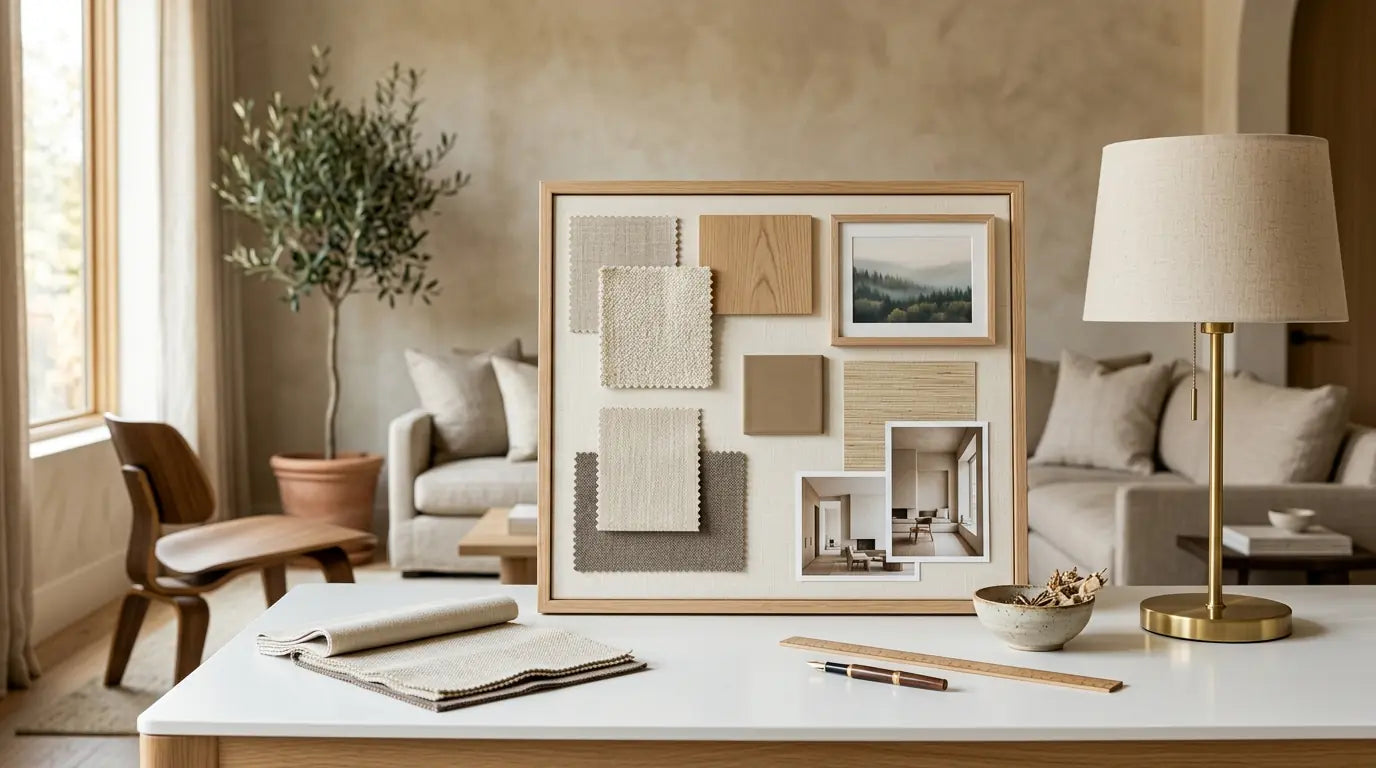
A veces, una habitación se siente plana mucho antes de sentirse llena. Puedes tener suficientes muebles, suficientes cojines, suficiente iluminación y aun así sentir que falta algo. Por lo general, lo que falta no es otro objeto, sino textura. Este es el método de la escalera de texturas: una forma sencilla de crear profundidad en una habitación apilando materiales de suaves a táctiles y estructurados, en lugar de comprar más decoración y esperar que la habitación se sienta terminada de alguna manera. Cuando la textura se aplica bien en capas, una habitación se siente más rica, más tranquila y más cohesionada. Cuando se ignora, incluso las piezas hermosas pueden sentirse monótonas.

Comprar pantalla de papel en forma de semicírculo
Por qué la textura cambia una habitación más rápido que añadir más cosas
El color llama la atención. La forma aporta carácter. Pero la textura es lo que hace que una habitación se sienta vivida y dimensional. La textura cambia la forma en que la luz se mueve a través de una superficie. Proporciona contraste sin ruido visual. Permite que colores similares sigan pareciendo interesantes porque el ojo percibe la diferencia de material incluso cuando la paleta se mantiene calmada.
Una habitación sin suficiente textura puede sentirse plana, poco acogedora e inacabada. Es por eso que una habitación con paredes crema, roble claro, lino, fibra tejida y cerámica hecha a mano puede sentirse mucho más sofisticada que una habitación con diez colores que compiten entre sí y el doble de accesorios. El objetivo no es que cada rincón esté ocupado, sino permitir que cada material añada un matiz diferente.

Paso 1: Empieza con la base suave
Toda habitación con capas necesita un material que suavice toda la composición. Suele ser lino, algodón, lana o una tela de tapicería lavada. Piensa en cortinas que filtren la luz en lugar de bloquearla bruscamente. Piensa en un sofá con acabado mate en lugar de uno brillante. Piensa en una alfombra que asiente la habitación sin pedir atención a gritos. Esta primera capa es la que le dice a la estancia que se relaje. Si todo es duro, pulido o brillante, la habitación puede empezar a sentirse fría sin importar lo costosas que sean las piezas.

Paso 2: Añade una capa táctil natural
Una vez que la base suave esté en su lugar, incorpora un material con irregularidades visibles. Aquí es donde cobran utilidad las cestas tejidas, el ratán, el yute, el lino flameado, la cerámica rugosa, el gres o la madera envejecida. No necesitas mucho, solo lo suficiente para interrumpir la uniformidad. Los materiales táctiles hacen que una habitación se sienta humana. Evitan que el espacio parezca sacado de una caja. Crean esos pequeños momentos que hacen que una habitación se sienta coleccionada con el paso del tiempo.

Paso 3: Termina con un acento estructurado
La última capa es la que define la habitación. Puede ser metal ennegrecido, nogal oscuro, vidrio ahumado, una base de lámpara con bordes más definidos o una superficie de piedra pulida. Sin algo de estructura, una habitación totalmente suave puede volverse imprecisa. Con demasiada estructura, se vuelve rígida. Solo necesitas uno o dos momentos de claridad: una mesa auxiliar de madera oscura junto a una silla de lino, una lámpara de bronce sobre una consola clara, una bandeja de piedra sobre un otomán tejido. El contraste es lo que hace que la suavidad se sienta intencional en lugar de incompleta.
La escalera en sí
Imagina la habitación como una escalera de tres peldaños: Capa suave: lino, algodón, lana, tapicería, textiles lavados. Capa táctil: fibra tejida, cerámica hecha a mano, veta de madera natural, piedra mate. Capa estructurada: madera oscura, metal, vidrio, siluetas más definidas. Si los tres elementos están presentes, la habitación suele sentirse completa. Si falta uno, tiende a verse demasiado plana, demasiado rústica o demasiado severa.

Qué quitar cuando una habitación se siente recargada
El método de la escalera de texturas no trata solo de añadir capas, sino también de eliminar el tipo de repetición incorrecto. Si todo en la habitación tiene el mismo acabado liso, la respuesta no es añadir otro objeto, sino un mejor contraste de materiales. Si cada pieza decorativa es pequeña, brillante y trata de llamar la atención, la habitación puede sentirse recargada porque nada le da equilibrio. Retira las piezas que repiten el mismo tono y conserva las que profundizan la composición. Las capas son más efectivas cuando cada pieza se gana su lugar.
La perspectiva de Inner Union
Creemos que una habitación debe sentirse compuesta, no abarrotada. El método de la escalera de texturas te ayuda a crear atmósfera sin buscar el exceso. Deja que los materiales hagan el trabajo emocional que muchos objetos intentan realizar sin éxito.
Antes de comprar más, hazte una mejor pregunta: ¿Esto añade una nueva capa o solo más volumen? Cuando la respuesta es una capa real, la habitación comienza a sentirse más cálida, más tranquila y mucho más intencional.
¿Listo para transformar tu espacio?
Explora nuestra colección completa de decoración para el hogar seleccionada y encuentra las piezas perfectas para tu tablero de inspiración.